Monday, April 3, 2023

Two Tamil films on rural myths.


    Villagers in most parts of Tamil Nadu,express their emotional bonding to their soil,by organizing local festivals relating to their deities who are believed to protect them and their soil, against external intrusions and attacks from evil forces.They have their own gods named as Ayyanar, Thomban,Annamar,Muneeshwar,Satti Karuppu, Ondi Karuppu,Sappani,Madhurai Veeran, Kaathavarayan, Ezhu Kanniyar, Ellaiyamman, Kannagiyamman,Bhadrakaali Amman and so on. In several films we would have also come across temple festivals concerning family deities.Though there was a Tamil film kalled Ayyanar,it had nothing to do with the village deity.But two Tamil films released in the Nineteen fifties carried a vital substance of folklore and mythological impact, sandwiched between prevailing social issues.They were MGR’s'Madhurai Veeran'that pulled a huge crowd to the theatres in 1956 and Sivaji Ganesan’s 'Kaathavarayan'which was released in 1958.

   Though both the films were based on myths, 'Madhurai Veeran'was announced as a film on historical events,during the presentation of title details of the film,may be because,MGR proclaimed himself as a Dravidian hero and a non-believer in myths and superstitions.But Sivaji Ganesan's 'Kathavarayan' dramatically reflected the ingredients of myth.There were quite a few scenes in the movie,to show that the plot was contrived with a gyst of mythical substance linked to the Hindu Gods.

  The very first scene of the film showed Lord Shiva and Parvadhi Devi fervently dancing in Kailash.The dance by Gopi Krishna and Kumari Kamala was a captivating kickstart of the film. But Shakthi's obsession with her power of dancing,led to subjective pride,incurring the wrath of Lord Shiva ,who punished her to become a mortal in the earth.Lord Shiva also punished Veerabhagu who came in support of Shakthi,to be born as a common  mortal, called Kathavarayan.

  Unlike'Kathavarayan',the film'Madhurai Veeran'begins with the birth of a prince, whose unlucky mark in his body is presumed to bring doom to the people and the kingdom.So the child is left in a forest,much against the wish of the queen.In the forest the child is protected by elephants and snakes and is later taken over by a cobbler and his wife.N.S.Krishnan and T.A.Madhuram performed their roles,with a clear and spontaneous perception of the undesirable social stigma,attached to their character.The abandoned child is named as Veeran and the story moves on with pep and power,after the introduction of MGR as Veeran.

    'Madhurai Veeran'and'Kathavarayan'share quite a few things in common.Primarily,both the films focus on casteism and communal inequality,virulently practised those days,by the so called upper caste lobby,in Tamil Nadu.In 'Kathavarayan'we could see Shakthi {powerfully played by P.Kannaambaa} telling Kathavarayan, that nobody is a slave and all humans are to be treated as equals.In'Madhurai Veeran'the element of casteism was more significantly pictured,when the lieutenant {T.S.Balaiah} and soldiers abused the hero(MGR)for having touched  princess Bommi {P.Banumathi} and saved her from drowning.Casteism was vehemently condemned in'Madhurai Veeran'. 

   Secondly,both the films revelled in romance depicting the passionate love of Kathavarayan for Princess Aryamala{Savithri} which went to the extent of monstrous reactions on the part of the hero,bent upon marrying Aryamala.On the otherhand,Madhurai Veeran relied on the usual macho pride and self-effacing dignity in the portrayal of hero by MGR,that attracted Princess Bommi and dancer Vellaiyammal{gracefully donned by Padmini} towards him,with their utmost love and dedication.

    In terms of cinematic presentation,Madhurai Veeran became a run away hit on account of its vigorous narration by D.Yoganand and the power packed dialogues uttered by MGR in many scenes.Kannadasan's storyline further augmented the neat presentation of events. Though G.Ramanathan composed music for both the films,all the songs of 'Madhurai Veeran' became mega hits,while only the song 'Vaa Kalaaba Mayile' from'Kathavarayan'continued to ring in our ears. T.S.Balaiah was seen in both the films.In Madhrai Veeran he was shown as a cowardly villain. Whereas, Kathavarayan portrayed him as a Malayalam sorceror,with his Malayalam accent touching the original speech version of that language.Later, he became a reformed person,lending a helping hand to Kathavarayan.

   In both the films E.V.Saroja made a nimble show of her dancing skills,though her roleplay in 'Madhurai Veeran',was more prominent.O.A.K Devar appeared as King Thirumalai Nayakar in 'Madhurai Veeran'and as the tribal head and adopting father of Kathavarayan,in that film.On the whole,Ramanna's direction of'Kathava rayan'could have enriched the quality of narration of 'Kaathavarayan' with higher appeal and dynamism.Despite Sivaji Ganesan's exuberant and enlivening actig,the film was seen only as a dampener.

  That Pakshiraja's' 'Aryamala'{1941} with P.U Chinnapa and M.S.Sarojini starring the roles of Kathavarayan and Aryamala became a superhit film and established the merits of P.U.Chinappa as a dauntless hero,would vindicate the fact,that it is sensible and powerful narration,that would take any film to the reach of a wider audience. Incidentally,it was T.S.Balaiah who played the role of the general in'Aryamala',that was taken over by K.A.Thangavelu in 'Kathavarayan'.

   The climax of both the films showed both the heroes being unduly punished by injustice, viewed as justice.Madhurai Veeran's alternate leg and arm were cut off leading to his death, followed by the death of his wife Bommi and lover Vellaiyamma.Kathavaryan and Aryyamala fell nearly dead by the collapse of the palace. While'Madhurai Veeran'ended with the fall of flowers on the bodies of the trio,Kathavarayan and Aryamala were seen moving to the Kailash, as per the request of Shakthi.

   It is an undeniable fact that both the films enlightened the need for social and human equality, surpassing society's obsession with communal animosity and discrimination. Perhaps,that is why the tribals and socially marginalised people in many parts of the state still continue to adore Madhurai Veeran and Kathavarayan within their rural boundaries. Civilization will draw its legitimate sense and sensibility,only when honour killing and love jihad come to a natural end,by the will of every segment of mankind.This is the message we draw from these two Tamil films,made more than six decades ago.Unfortunately,the fire of casteism is still there,with its undying embers.

         ===============0================

Friday, March 24, 2023

Four Major Comedy shows of Sivaji Ganesan


    Heroes of the last century were mostly doing characters,hovering around family stories, myths and histories,action dramas and thrillers. It was mostly comedians like N.S.Krishnan, T.S.Dorairaju, K.A.Thangavelu, J.P.Chandrababu, A.Karunanidhi and Nagesh who were taking care of the comedy segment of films.Later a stream of comedians like Vennira Aadai Murthi,Gounda mani,Senthil,Vadivelu,Vivek and Santhanam occupied the centre stage of comedies.

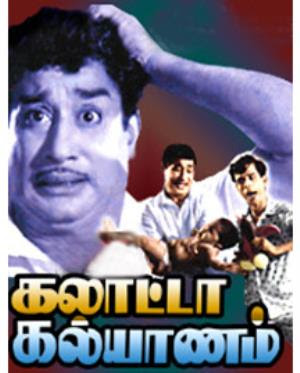
   Among heroes,MGR's contribution to comedy was much less,because he was always seen as a mass action hero.Even Gemni Ganesan was focussing mostly on the romantic genre mostly with tragic undertones excepting films like Missiamma,Then Nilavu and Avvai Shanmugi that contained vibes of humour.R.Muthuraman exhibited a special flair for comedy in films like Kaadhalikka Neramillai,Anubavi Raja Anubavi Bhama Vijayam and Kaasedhaan Kadavulada. But of all the heroes,it was Sivaji Ganesan who comfortably excelled in all genres of acting and felicitously travelled on the comedy track.At least four of his films were rib-tickling comedies.They were,Manamagan Thevai, Sabaash Meena,Oottivarai Uravu and Galaattaa Kalyanam.

   One interesting fact about these four films,was the unnoticed  link in their time of release.Like the first two films which were released with a gap of one year in 1957 {Manamagan Thevai} and 1958 {Sabash Meena}the second pair of films were also released with one year gap.Ootivarai Uravu hit the screens in 1967 and Galaatta Kalyanam came to the theatres in 1968.It could be seen that one comedy followed the other,the next year and there was a gap of ten years between Manamagan Thevai and Oottivarai Uravu and between Sabash Meena and Galaattaa Kalyanam. Excepting Oottivarai Uravu which was made in Eastman colur,the other three were made in black and white.

  Manamagan Thevai was made by P.Bhanumathi's Bharani studios and was directed by her husband P.S Ramakrishna Rao.Sabash Meena was produced and directed by B.R.Panthulu under his production house called Padmini Pictures.It was Kovai Chezhiyan who produced Oottivarai Uravu which was beautifully made by ace film maker C.V.Sridhar. As a sequel of coincidence, Galaatta Kalayanam was directed by Sridhar's younger brother C.V.Rajendran and it was produced under Sivaji Ganesan's own production house the Ramkumar Pictures 

  All the four films impressively dealt with the vagaries of youth.Manamagan Thevai,based on the American film The Fabulous Senorita{1952} dealt with the independent mind frame of a woman {P.Bhanumathi}who stubbornly rejected the bridegroom of her father's choice and resorted to a kind of impersonation by creating the fake identity of a twin sister.The story hilariously travelled around screen events beautifully contrived and breezily enacted by Sivaji Ganesan, P.Bhanumathi,T .R. Rama chandran, J.P.Chandrababu,Devika,Ragini and Javar {Javert } Seetharaman.Each scene was frilled with humour and the film turned out to be a piece of wholesome entertainment.The movie became a freak hit and ran for one hundred days in theatres.It was G.Ramanathan who composed the tunes and Chandrababu's Bambara Kannaale song,overtook all the other numbers and even now it continues to haunt our imagination,as film title and a remix of musical merryment.

   Sabash Meena with the teaming spirit of Sivaji Ganesan and Chandrababu,really created  a special comedy ruckus effect for the audience.It was an exuberant situational comedy follwing a rejoicing scheme of impersonation,executed with remarkable intelligence and ready wittedness.Here the vagary of youth was vested with Sivaji Ganesan,a rich happy-go-lucky son of a disciplined father.The humorously engrossing story line,later on inspired director Sundar.C who made his most successful comedy film Ullathai Allithaa {1996}on a similar comedy skit,with Karthik Muthu raman and Goundamani,in the place of Sivaji Ganesan and Chandrababu.

  'Sabash Meena'became a talking point for quite some time,on account of its vigorous narration by Bandhulu with the excellent acting of Ganesan,Chandrababu,D.Balasubramaniyan, Malini,S.V.Rengarao and B.Sarojadevi.Unlike Manamagan Thevai,some of the songs like Kaana Inbam Kanindhadheno,{Sung by T.A.Modhi and P.Susheela} and Aasai Kilye Kobama,happily rendered by T.M.S and Seerkazhi Govindarajan, became great hits.T.G.Lingappa's music was self-sustaining,though Chandrababu could not do a number like Bambara Kannaale.The other hidden fact about Manamagan Thevai and Sabash Meena is that,both the films as per their story line,gave a pat for the female characters, by giving credit to the shrewdness of character evolution of Bhanumathi,in the former and the intelligent role play of Malini as Meena,in the latter.

  Between the other two films,which were released one after the other after a decade, Ootivarai Uravu became another blockbuster for Sridhar like his Kaadhalikka Neramillai.The grandeur of the film was the outcome of the spontaneous gusto of humour embedded in the fascinating composition of events,carrying tons of comedy gusto reflected in the casually stylish acting of Sivaji Ganesan,K.R.Vijaya,R.Muthu raman,L.Vijayalatchumi,Nagesh,T.S.Balaiah,M.S Sundharibhai, and V.K.Ramasamy.All the songs enchangingly tuned by M.S.Viswanathan,were specially heard, admired and cherished in memory.

  Songs like Thedinen Vandhadhu,with the sprightly dance movements of K.R.Vijaya,the humour generating number Ange Malai Mayakkam Yaarukkaaga,helplessly watched by T.S.Balaiah and the exalting Poo Maalaiyil Oer Mallikai,were supreme musical treats of the film.For Sivaji his role was a cake walk and for T.S.Balaiah, it was a rattling role that he nervously delivered,with a perfect grasp of the nerve pulling situations.All was well about the film,that made Ootivarai Uravu one of the most celebrated comedies in Tamil Cinema.

   Galaatta Kalyanam which was released next year,was a fantastic farce like Sabaash Meena. Actually of all the four comedies mentioned here,it was in this film,Sivaji Ganesan was loaded with the huge responsibility of bearing the comedy skit on his shoulders.On account of his love for Jeyalalitha,he was burdened with the onus of finding bridegrooms for all her sisters as per the condition imposed on him,by K.A.Thangavelu,who was profusely blessed with daughters and wanted to have the marriage of all his daughters on the same day.

  Apart from Sivaji Ganesan and A.V.M Rajan the film had a bunch of comedians like Nagesh, Cho,Maali and V.Gopalakrishnan.On the female cast besides Jeyalaitha,the film had Manorama, Jothilatchumi,Kumari Sachu and M.S.Sundari Bai.Though the songs were not  major hits like those of Oottivarai Uravu,M.S.Viswanathan made songs like Nalla Idam,Appappaa Naan Appnallada and Engal Kalyanam Galaattaa Kalyanam pleasing to the ears.

  Though the comedy situations were contrived as per audience prediction,on the whole,the film remained as a major piece of entertainement thanks to Sivaji Ganesan's spontaneous comedy flair and the vital contribution of other artists. Sivaji Ganesan's Bale Pandia is not included in this list because Ganesan did three roles in that film with varied dimensions.The film had a plethora of situations to generate spot humour but the stroyline was a bit intertwined to call it a full fledged comedy or a farce.Similarly,Arivali has been left out because the film's comedy side rested more on the role of K.A.Thangavelu and T.P.Muthulakshmi than with Sivaji Ganesan and P.Bhanumathi.The very fact that the separate comedy track of Thangavelu was frequently heard on the All India Radio would vouchsafe this view point.

  The objective of this post is to focus on the fact that Sivaji Ganesan felicitously excelled in the comedy genre,as he did in any other character frame.This kind of comedy flair,is very rare to come across in the case of many heroes.To be a liitle more specific to today's context,a superstar like Rajikanth who shares some amount of the mass apeal of MGR,surpassed the latter on the comedy track.An actor like Kamal,who has very great acumen for acting like Sivaji Ganesan, cannot be said to have outshone the Chevalier on the comedy track.An astounding classic hero like Sivaji Ganesan,had comfortably strolled on the comedy lanes of Tamil Cinema,with breeze and ease.

                                   =================0=================

Saturday, March 11, 2023

காலக் கடலில் தமிழ்த்திரைப்படகுகள்


   காலக்கடலில்,உயிரினங்கள் அலை அலை யாய் சீறி எழுவதும் பின்னர் கடலுக்குள் கரைந்துபோவதுமே வாழ்க்கை.கால ஓட்டத் தில்,மனிதன் வரலாற்று ஏடுகளை உருவாக் குகிறான்.மனிதன் மடிந்தாலும் வரலாறு நிலைக்கிறது. காரணம்,கடலில் அலைகள் எழுந்து பாய்ந்து கரையைத் தொட்டு மீண்டும் கடலில் சங்கமிப்பதுபோல் மனித வாழ்வும் காலக்கரைதொட்டு காலக் கடலில் காலாவதியாகிறது.மானுடம் தொடரும் வரை வரலாறும் தொடரும்.பெருகி நிலைக் கும். 

   அவ்வாறு பெருகி நிலைத்திடும் வரலாறு களில்,தமிழ்த்திரை வரலாறும் ஒன்றாகும். காலத்தை கருத்தில்கொண்டு பணியாற் றிய தமிழ்த்திரை,காலத்தின் பயணத்தை யும் பயன்பாட்டினையும்,ப‌ல்வேறு கோணங் களில் சிந்தனை வடிவாக்கி,சொற்களால் திரைப்பட தலைப்புகளாகவும்,பாடல் வரிக ளாகவும் வரலாற்றுப் பின்னலாக்கி, வாழ்வி யலாக்கியது.பெற்காலம்,எதிர்காலம், துள்ளித்திறிந்த காலம்,அது ஒரு கனாக் காலம்,காலம் வெல்லும்,காலம் மாறிப் போச்சு,காலமெல்லாம் காதல் வாழ்க,என்று பல்வேறு தலைப்புகளை,காலக்கடலில் படகுகளாக்கியது.

  காலப் படகுகளை கவிதைகளாக்குகை யில், திரைக்கவிஞர்கள்,காலத்தின் முக்கியத் துவத்தை முதன்மைப்படுத்தும் விதமாக,

"காலம் பொன்னானது 

கடமை கண்ணானது"(கல்யாணமாம் கல்யாணம்)

என்றும்,

"காலங்கள் உனக்காக காத்திருக்காது

காலடிச் சுவடுகள் கூடவராது"( பெண்ணை வாழவிடுங்கள்)

என்றும்,

"காலமிது காலமிது கண்ணுறங்கு மகளே

காலமிதை தவரவிட்டால் தூக்கமில்லை மகளே "(சித்தி)

  என்றும்,பல்வேறு பாடல்களை எழுதி வைத்தனர்.இதில் முதல் பாடலை எம்.விஜய பாஸ்கரின் இசையில்,எஸ்.பி.பாலசுப்ர மணியம் பாட,இரண்டு,மற்றும் மூன்றாம் பாடல்களை,பி.சுசிலா மிகவும் நிதானமாக, முறையே,எஸ்.எம்.சுப்பைய்யா நாயுடு  எம்.எஸ்.விஸ்வநாதன் ஆகியோரின் இசை யில் பாடியிருந்தார்.பஞ்சு அருணாச்சலம் முதல் பாடலையும் இதர இரண்டு பாடல் களை கண்ணதாசனும் எழுதியிருந்தனர்.

  இந்த சிந்தனையை சற்றே விலக்கி வைத்து,காலத்தின்மீது நம்பிக்கை வைத்து, தன்னை உற்சாகப்படுத்துவதோடு நில்லாது பிறருக்கும் நம்பிக்கையூட்டும் வண்ணம்,

"எங்கே போய்விடும் காலம் 

அது என்னைமும் வாழவைக்கும்

உன் இதயத்தை திறந்து வைத்தால்

அது உன்னையும் வாழவைக்கும்" (தாழம்பூ)

என்றும்,

"காலமகள் கண்திறப்பாள் சின்னைய்யா

நாம் கண்கலங்கி கவலைப்பட்டு என்னய்யா

நாலுபக்கம் வாசலுண்டு சின்னைய்யா

அதில் நமக்கும் ஒரு வழியில்லைய்யா என்னய்யா"  (ஆனந்த ஜோதி)

என்றும்,

"எதற்கும் ஒரு காலம் உண்டு பொறுத்திரு மகளே

இன்பத்திலும் துன்பத்திலும் சிரித்திடு மகளே"(சிவகாமியின் செல்வன்)

என்றும்,அற்புதமான,வாழ்க்கைக்கு ஒளியூட்டும் பாடல்கள் உண்டு.

  இதில் முதல்,மற்றும் மூன்றாம் பாடல்        களின் வரிகளை வாலி எழுத,'ஆனந்த ஜோதி' பாடலை கவியரசு எழுதியிருந்தார். வரிசையாக,டி.எம்.எஸ்ஸும்,பி.சுசிலா வும்,மெல்லிசை மன்னர் விஸ்வநாதனும் இப்பாடல்களை பாடியிருந்தனர்.'தாழம்பூ' திரைப்படத்திற்கு கே.வி.மகாதவனும், இரண்டாம் பாடலை எம்.எஸ் விஸ்வநாதன் ராமமூர்த்தியுடன் இணைந்தும்,மூன்றாவது தன் பாடலை தான்மட்டும் தனித்தும் இசையமைத்திருந்தார்.

  பாசத்தில் ஒன்றிய அண்ணனும் தங்கை யும் காலத்தின் மீது மட்டற்ற நம்பக்கை வைத்து,தாங்கள் சந்திக்கவிருக்கும் நல்ல காலம் வருகையில்,அதனால் மற்றவர் வாழ் விலும் வசந்தம் வரும் எனும் பொன்னான கருத்தை,பரவசத்துடன் பாடிய பாடலொன்று அமரத்துவம் கண்ட பாசமலர் படத்தில் அரங்கேறியது.டி.எம்.சௌந்தராஜனும் பி.சுசிலாவும் பாடிய,

"எங்களுக்கும் காலம் வரும்

காலம் வந்தால் வாழ்வு வரும்

வாழ்வு வந்தால் அனைவரையும்

வாழ வைப்போமே" 

  எனும் அந்த அரிய கண்ணதாசன் வரி களுக்கு விஸ்வநாதன் ராமமூர்த்தி ஆனந்த மாய் இசையூட்டினர்.

   தான் துயருற்ற நிலையில் இருக்கும் போதும்,தன்னைப்புறக்கணித்தோர்க்கு, காலத்தின்மீது நம்பிக்கை வைத்து,தன் ஆதங்கத்தை ஆதுதிரமாய் வெளிப்படுத் தும் வகையில் அமைந்த கனமான பாடலே, 'எங்க ஊரு ராஜா'திரைப்படத்தில் நடிகர் திலகத்திற்காக டி.எம்.எஸ் ஆக்ரோஷமாய்ப் பாடிய

"யாரை நம்பி நான் பொறந்தேன் 

போங்கடா போங்க;

என் காலம் வெல்லும் வென்ற பின்னே

வாங்கடா வாங்க"

  எனும் முரட்டு சவால் பாடல்.கண்ணதாச னின் இந்த இயல்பான வரிகள்,மெல்லிசை மன்னரின் இசைமழையில்,கண்ணீர்த்துளி களை கடலாக்கியது.

காலத்தை காதலுடன் பிணைத்து

"காலமெல்லாம் காதல் வாழ்க"( படமும், 'கால மெல்லாம் காதல் வாழ்க')

என்று,காதலில் மூழ்கிப்பாடுவதும்,

  காலத்தை நதியாக்கி அதில் காதல் படகை விடுவதாய், 

"காலமென்னும் நதியினிலே

காதலென்னும் படகுவிட்டேன்

மாலை வரை ஓட்டிவந்தேன்

மறு கரைக்கு கூட்டிவந்தேன்" (பரிசு)

  என்று மெய்மறந்து பாடுவதும்,இளமைக்  கால கனவுகளாகும்.இரவையும் நிலவை யும் இணைத்து வைத்து,

"இது ஒரு நிலாக்காலம்

இரவுகள் கனாக்காணும்" 

  எனும் வரிகள் கொண்டு தொடங்கும் பாடலொன்றை,"டிக்டிக்டிக்" திரைப்படத் திற்காக,வைரமுத்து எழுதி எஸ்.ஜானகி பாட,இளையராஜா இசையமைத்திருந்தார். 

  இந்த அனுபவத்தில் கடந்த கால கனவுக ளில் மிதந்து, 

"வசந்த கால கோலங்கள்

வானில் விழுந்த கோடுகள்.

கலைந்திடும் கனவுகள்

கண்ணீர் சிந்தும் நினைவுகள்" ( தியாகம்)

 என்று பாடி,சோகத்தில் சுகம் காண்போரும் உண்டு. 

  வாலி எழுதிய "காலமெல்லாம் காதல் வாழ்க" பாடலை பி. உன்னிகிருஷ்ணனும் கே.எஸ்.சித்ராவும் பாட,அதற்கு தேனிசைத் தென்றல் தேவா இதமாய்,இசை கூட்டியிருந் தார்.'பரிசு'மற்றும்'தியாகம்'திரைப்படங் களின் கண்ணதாசன் வரிகளை பி.சுசிலா வும் எஸ்.ஜானகியும் பாட,கே.வி.மகாதேவ னும் இளையராஜாவும் இசையமைத்திருந் தனர்.

  காதல் வயப்படுகையில் காலத்தோடு காதலியை உருவகப்படுத்தி,காதலை கொண்டாடும் வண்ணம்,கவியரசு எழுதி P.Bசீனிவாஸ்,விஸ்வநாதன் ராமமூர்த்தி யின் இசையில் காலம் வென்ற,'பாவ மன்னிப்பு'திரைப்படப்பாடலான "காலங் களில் அவள் வசந்தம்"பாடல் என்றும் இதயம் நிறைந்த தேன்சுவைப்பாடலாகும்.

  காலத்தின் போக்கையும்,காலமெல்லாம் எத்தர்களாய் விளங்கும் மனிதர்கள் பற்றியும், பட்டயம் கூறும் பாடல்கள்,தமிழ்த் திரையிசையில் தனியிடம் பிடித்துள்ளன. அவற்றுள்'உலகம் இவ்வளவுதான்'திரைப் படத்தில் நாகேஷுக்காக டி.எம்.எஸ்.பாடிய

"காலம் போற போக்கை பார்த்தா யாரு பேச்சை கேட்பது

கவலைப்பட்டு என்ன பன்ன ஆனபடி ஆகுது ஆனபடி ஆகுது"

   எனும் அவினாசி மணியின் பாடலுக்கு வேதா கம்பீரமாய இசையமைத்திருந்தார். இதேபோன்று காலத்தை விமர்சித்து,

"காலமடி காலம் கலி காலமடி காலம்" 

  எனும் சீர்காழி கோவிந்தராஜன் உரத்த குரலில் அதிவேகமாய்ப் பாடிய பாடல், 'மாதவி'எனும் திரைப்படத்தில் இடம் பெற்றது.கா.மு.ஷெரீப் எழுதிய இப்பாடல் கே.வி.மகாதேவனின் அற்பதமான இசை யில் உருவானது. ஒவ்வொரு வரியிலும் "காலமடி காலம்"எனும் சொற்கள் இடம் பெறுவது இப்பாடலின் தனிச்சிறப்பாகும். 1959 இல் வெளியான இந்த திரைப்படத்தி லேயே,காலம் இப்படி விமர்சிக்கப்பட்டிருப் பதை பார்க்கையில்,இக்காலத்தில் நிகழும் மாற்றங்களை,சொற்களால் விளக்கிட இயலாது.

  மனிதன் காலத்தை மாற்றுகிறான் என்றும், காலம் மாறினாலும் மனிதன் சகமனிதனை ஏமாற்றத் தவறுவதில்லை என்றும், உண்மை நிலைமை பரைசாற்றும் இரண்டு இணையிலாப் பாடல்களை,நாம் பலமுறை கேட்டு மகிழ்ந்திருப்போம்.'மனிதன் மாறவில்லை'திரைப்படத்தில்

"காலத்தை மாற்றினான்.

கோலத்தை மாற்றினான் 

கொள்கையை மாற்றினான்

ஆனால் 

மனிதன் மாறவில்லை

அவன் மயக்கம் தீரவில்லை" 

  எனும் சீர்காழி கோவிந்தராஜனும் பி.சுசிலாவும் பாடிய பாடலும்,'மலைக்      கள்ளன்'திரைப்படத்தில் 

"இன்னும் எத்தனை காலம்தான் ஏமாற்றுவார் 

இந்த நாட்டிலே சொந்த நாட்டிலே,

 நம் நாட்டிலே"

   எனும் டி.எம்.எஸ் பாடிய பாடலும்,எத்தனை முறை கேட்டாலும் தெவிட்டாது.இதில் முதல் கண்ணதாசனின் பாடலுக்கு கண்டசாலா வும் 'மலைக்கள்ளன்'தஞ்சை N.ராமைய்யா தாஸ் வரிகளுக்கு,எஸ்.எம்.சுப்பைய்யா நாயுடுவும் நளினமாய் நாதம் படைத்தனர்.

  கடந்து போகும் கால ஓட்டத்தில்,கரைந்து போகமல்,வரலாற்றுச் சிறப்போடு வாழ்ந்து முடிப்போரை,காலத்தை வென்றவர் என்று பெருமை போற்றும் விதமாக,

"காலத்தை வென்றவன் நீ

காவியமானவன் நீ

வேதனை தீர்ப்பவன்

விழிகளில் நிறைந்தவன்

வெற்றித் திருமகன் நீ"

   என்று வாழ்த்திப் பாடுவதுண்டு.'அடிமைப் பெண்'திரைப் படத்தில் பி.சுசிலாவும் எஸ்.ஜானகியும் சேர்ந்து பாடிய,இந்த அமுத கானத்திற்கான வரிகளை,அவினசி  மணி எழுத,கே.வி.மகாதேவன் ரம்யமாய் இசை யமைத்திருந்தார்.இவ்வாறாக காலத்தை முன் நிறுத்தி,வாழ்க்கைத் தத்துவங்களை கூறும் இன்னும் பல பாடல்கள் இருக்கக் கூடும்.

   வள்ளுவர்'காலமறிதல்'என்னும் அதிகாரத் தில்,பத்து குறள்களில் காலத்தின் மேலாண் மையை வகுத்திருந்தாலும்,கலைஞரின்

 "கலக்கத்திற்கு இடம்தராது உரிய காலத் திற்கென காத்திருப்போர் உலகத்தையே வென்று காட்டுவர் "எனும்  பொருளறியும் விதமாக,  

காலம் கருதி இருப்பர் கலங்காது

ஞாலம் கருது பவர்

என்ற குறள் தனித்துவம் பெருகிறது.

  ஆனால்,இந்த சிந்தனையிலிருந்து விலகி,காலத்தயும் ஞானத்தையும் காதல் வெல்லும்,எனும் உறுதியுடன்,

காலங்கள் பிரித்தபோதும்

கடவுளே தடுத்தபோதும்

கோலங்கள் நரைத்தபோதும்

குலமெலாம் வெறுத்தபோதும்

பாலங்கள் மீண்டும் சேர்ந்தால்

பார்வையைக் கண்ணீர் மூடும்

ஞாலங்கள் அதற்குக்கீழே

நான் கண்ட காதல் உண்மை.

   எனச் சூளுரைக்கிறார் கவியரசு கண்ணதாசன்.

  பதிவை முடிக்கும் தருவாயில் தோன்றும் வலுவான கருத்து யாதெனின்,காலச் சக்கரம் ஓடிக்கொண்டே இருக்கிறதே யொழிய,மாறுவதேயில்லை.ஆனால், 'மாற்றம் ஒன்றே மாறாதது' எனும் சித்தாந் தத்தில் ஊறிப்போன மனித இனம், காலத்தை கண்ணாடி ஆக்கி,காட்சிகளை மாற்றிக்கொண்டே இருப்பதோடு,காணும் காட்சிகளை விமர்சிக்காது,காட்சிகளை பிரதிபலிக்கும் கண்ணாடியை தரம் தாழ்த்து கிறது.இதன் வெளிப்பாடே, காலம் மாறிப் போச்சு என்பதும்,காலம் கலிகாலம் என்பதுமாகும்.ஓடிக்கொண்டிருக்கும் காலத்தோடு ஓடப்பழகும் மானிடம்,தன் ஓட்டத்திற்கு ஏதுவாக, காலத்தையும் கோலத்தையும் மாற்றிக்கொண்டிருக்கிறது என்பதே வாழ்க்கையின் வட்டமாகும்!.

ப.சந்திரசேகரன்.


Wednesday, March 1, 2023

Three Mistresses,with their Monarchs, in Tamil Cinema.


  Referring to Mark Antony in his play'Antony and Cleopatra',Shakespeare says that"one of the triple pillars of Rome,{the other two were Octavius Caesar and Lepidus}has been transformed into a strumpet's fool".'Strumpet' and 'Courtesan' are words referring to 'mistress',another word that carries a variety of positive and negative meanings.On the negative side,women of this kind,are usually after wealthy guys and monarchs,who fall a prey to their vanquishing looks and words and lose their wealth and kingdom.

  Tamil films dealt with this subtle and serious theme,in quite a number of films in the Nineteen fifties.Apart from movies on social themes and family stories,films on royal themes,showed with fanfare,the fall of kingdoms and empires, on account of the evil designs of greedy women, who would captivate kings and capture power from them.This blog would recall from memory,  three such remarkable Tamil Films,so as to focus on the power of imagination and creativity that prevailed during the early decades of the evolution of Tamil cinema.The three such memorable are,Marmayogi,Manohara and Tenaliraman.

  Jupiter Pictures'Marmayogi'made by Ramnoth and released in 1951,was one of the earliest mega hit films of MGR,that got him strongly rooted to Tamil Cinema,as a swashbuckling hero.The title 'Marmayogi',means 'the mysterious sage'.This film was roaringly received,because it came as the first magnificent film,packed with speed in action and several trick shots.It is the story of a widowed king who was lured by a young mistress called Urvasi, {sparklingly played by Anjalidevi} who later made the King get drowned on a boating event,with the help of her lover and usurped the kingdom.

  The King had two sons Karikalan {MGR} and Veeraangan {S.V.Sakasranamam}who,when they were young princes,were planned to be killed by the lover of the mistress-turned queen,by burning the palace.Through her effective manipulations,the new queen removed the hurdles on the way and killed her powerful opponents,including her lover,whom she poisoned to death.She did not want to keep alive, anyone who new her secrets.However,as justice would always prevail, the two princes were saved from the palace burning.A mysterious sage  came under the guise of helping the power-hungry queen,in her day to day administration. Meanwhile,Karkalan who grew up as a commoner,launched a revolution against the queen's misrule.

  The climax showed the sage removing his disguise to be seen as the drowned King,coming back to life.As per nemesis,the woman who came to ruin the kingdom got her misdeeds exposed and fell down dead.The most interesting aspect of the film consisted of three questions raised against the queen,by the mysterious sage and they were 1}Who is she 2}Where did she come from 3}What is her ancestry.

  It was the fresh narrative mode of the film,that made Marmayogi one of the immortal films,in the annals of Tamil cinema.Moreover,the mysterious components of the film were enriched by the brutal scheming of the self assumed queen,who had a fiendish frame of mind.Apart from the actors mentioned above,the film had Serugalathur Sama as the King,N.Seetharaman( later came to be known as Javar(Javert)Seetharaman,as the brother in law of the King,M.N.Nambiyar as the friend of Karikalan,Madhuridevi as the pair of Karikalan and Pandaribhai as a citizen affected by the misdeeds of the queen.

   Three years after the release of Marmayogi, came the mindblowing film Manohara{1954}, splendidly made by ace film maker L.V.Prasad.It was a marvellous show of fiery dialogues penned by Kalaignar M.Karunanidhi and the power of dialogues gained momentum,with the vigorous utterances of Sivaji Ganesan,as Prince Manoharan.T.R.Rajakumari,who as Vasantha Senai,accompanied her artist husband kesari Varman{played by M.K.Mustafa},visited the Kingdom of Purushothamar{Sadhasiva Rao}and lured the king by her seductive looks. When the King fell a prey to her charms,she poisoned her husband to death and settled down powerfully,  as the ruling mistress of the King and his kingdom.

  Vasanthasena arranged to get queen Padma vadhi {brilliantly played by P.Kannaamba} arrested,through a false picture about her fidelity,by presenting the queen's sisterly relationship with the loyal Minister Sathyaseelar,{Javar Seetharaman}as an extra marital affair.Vasanthasena's intention was,to get her mentally unsound son Vasanthan,to be crowned as the future king,against the legitimate heir Manoharan.

  Meanwhile,the king came to know of the illicit relationship of Vasanthasenai,with the evil- minded lieutenant Ukkirasenan{stylishly portrayed by S.A.Natarajan}.When the king attempted to arrest his mistress,things boomeranged and it was the king who was imprisoned by the vested interests of power, manoeuvred by Vasanthasenai.Luckily,her husaband Kesarivarman,who escaped her murder attempt,was in disguise in the court with the help of Sathyaseelar.The climax was a grand throw of inspiring dialogues by the queen that energised Manoharan in fetters,to break his shackles and restore the kingdom from Vasanthasenai,with the help of the loyal soldiers secretly assembled in the court,by Manoharan and his friend Rajapriyan{S.S.Rajendran}, Vasanthasena is killed by her husband,who declares to her"Kesarivarman is not dead".

  If Marmayogi raised three impressive questions about the mistress,Manohara contains among various catchy dialogues,the three statements about the mistress,uttered by Manoharan.They are,"Vasanthasenai! the gliding eagle;the gaping wolf ;the crooked minded woman"The success of Manohara was mostly due to the scintillating dialogues and their gripping delivery,from the mouths of Sivaji Ganesan,Kannaamba and T.R.Rajakumari.With her ravishing eyes and the reigning voice,T.R.Rjakumari became the most notorious and cruel mistress in Tamil Cinema.

  In Tenaliraman(directed by B.S.Renga and released in 1956)a courtesan by name Krishna (P.Bhanumathi)deputed by Bahamani Sultanate,entered Vijayanagara Empire to win the goodwill of King Krishnadevaraya(neatly performed by N.T.Rama Rao,with his royal demeanour).She got closer to the King by her dancing skills and enchanting looks and became his mistress,to the extent of influencing the King in decision making,with her sinister designs.It was the tall witted Tenaliraman,(another great show of Sivaji Ganesan during the initial years of his acting)who caught her red-handed and exposed her Sultanate agenda,even before the Sultans could execute their plan of attacking the Vijayanagara empire. King Krishnadevarayar realized the evil effect of his vagaries and took responsible reigns of his empire.

   While the first two films are products of creative imagination,Tenaliraman is linked to the actual historical events.An interesting interlinking fact about the three films is the presence of Javar Seetharaman & S.A.Natarajan in both Marmayogi and Manohara and that of Sivaji Ganesan in Manohara and Tenaliraman. Similarly,M.N.Nambiar played significant roles in Marmayogi and Tenaliraman.

 To conclude,the general perception from these three films is that,even empires would fall,if rulers are weak-willed and the women who come as mistresses,carry the virulence to achieve their projected goals,by hook or by crook.Of the three mistresses,T.R Rajakumari as Vasanthasena,appeared as the incarnation of evil,followed by Anjalidhevi,who was mostly seen as a docile and devoted wife in many films.In fact,it was a surprise that she could don such a negative role,with its characterisitc force and fury. All the three movies would ever remain as fascinating film stuffs,surpassing the barriers of time and taste,by providing extraordinary entertainment.

               ========≈======0==≈==========

Sunday, February 5, 2023

உயரம் கடந்து,உயரம் தாண்டியவர்.


                                        {நினைவஞ்சலி}


   உயரம் சற்றே குறைந்திருந்தாலும் திறமையால் உயர்ந்திருந்த இயக்குனரும் நடிகருமான T.P. கஜேந்திரனின் மறைவை யும் சேர்த்து,தென்னிந்திய திரைத்துறை, தொடர்ந்து மூன்று  தினங்களாக,கனமான இழப்புகளை சந்தித்துக்கொண்டிருக்கிறது.

 பழம்பெரும் நகைச்சுவை மற்றும் குணச் சித்திர நடிகைT.P முத்துலட்சுமியின் வம்ச வழியில் வந்த T.P.கஜேந்திரன்,அந்த நகைச் சுவை நடிகையின் இயல்பான கேலி  கிண்டல் திறனை,தன்வசம் வலுவாகக் கொண்டிருந்தார்.அவர் இயக்கிய திரைப்படங்களில் கார்த்திக் முத்துராமன் நடித்த'பாண்டி நாட்டுத் தங்கம்',பிரபு நடித்த'பட்ஜட் பத்மநாபன்','மிடில் க்ளாஸ் மாதவன்'மற்றும் 'பந்தா பரமசிவம்', ராமராஜன் நடித்த'எங்க ஊரு காவக்காரன், ராஜ்கிரன் நடித்த 'பாசமுள்ள பாண்டியரே', ரமேஷ் அரவிந்தின் 'பாட்டு வாத்தியார்', பிரசன்னாவின் நகைச்சுவை திரைப்பட மான 'சீனா தானா' (மலையாள திரைப்பட மான'சி.ஐ.டி மூசா'திரைப்படத்தைத் தழுவி யது)ஆகியவை அனைத்துமே,நினைவில் தங்கும் படைப்புகளாகும்.

   அவர் நிறைய திரைப்படங்களில் சுயநல மிக்க அரசியல்வாதியாகவும்,ஊழல்அரசு அதிகாரியாகவும்,குணம் குறைந்த கதாபாத்திர மேற்றிருந்தாலும்,தனது தோற்றத்தாலும், குரல் குழைவினாலும் உடல் துள்ளளி னாலும்,பார்ப்போர் விழிக ளிலும் நினைவு களிலும் பரவசமான முத்திரை பதித்தார். பார்த்தவுடன் களிப் பூட்டும் நடிகர்கள் வரிசையில் தனியிடம் பிடித்தார்.

   அவர் நடித்த பல திரைப்படங்களில் 'திருமலை' திரைப்படத்தில் கருணாஸின் தந்தையாக அவர் ஏற்ற குணச் சித்திர கதாபாத்திரமும்'பேரரசு'திரைப்படத்தில் பேராசைமிக்க அரசியல்வாதியாகத் தோன்றி பிரகாஷ் ராஜிடம் "ஒன்ன ஒழிச்சு கட்டாம விடமாட்டேன்" என்று கூற அதற்கு பிரகாஷ் ராஜின் "மொதல்ல உன் வேட்டிய ஒழுங்கா கட்டப்பாருடா"எனும் வசை மொழியை வாங்கிக்கட்டிக்கொள்ளும்  காட்சியும்,அவரை உணர்வுகளுக்குட்பட்ட நடிகராகவும்,எதிராளியின் நக்கல் நைய்யாண்டிக்கு தன்னை ஒரு காட்சிப் பொருளாக்க,அவர் ஒரு போதும் தயங்கிய தில்லை எனும் நிலைப்பாட்டினையும் தெள்ளத் தெளிவாக்கின.

  தோற்றத்தை பின்னுக்குத் தள்ளி தன் திறமையை திரையுலகுக் காணிக்கை யாக்கி,எளிமைக்கு எடுத்துக்காட்டாய் விளங்கிய இயக்குனரும் நடிகருமான T.P கஜேந்திரனை,நிசமுடன் நினைவில் வைத்துக் கொண்டாட,தமிழ்த்திரையுலகு நிச்சயமாகக் கடமைப்பட்டிருக்கிறது.

Friday, February 3, 2023

Homage to K.Viswanath.


  Kasinadhuni(mentioned as Kalatapasvi in the Hindu today)Viswanath popularly known as K.Viswanath was a film maker of poise and dignity. Starting his film making career in 1965, he has made about fifty Telugu&Hindi films, winning a galaxy of awards including seven National awards.His aesthetic component of film making always remained on the lofty line of perfection and extraordinary elegance,in thematic content,substantial story line and sublimity in narration.

  In addition to that,his focused choice of actors to perform roles on his expected track,made his films artistically wholesome and creatively commanding. Though he has passed away only in his ripe Nineties,the fact remains that his passing away is a paramount loss for Indian cinema in general and Telugu film industry in particular.

  K.Viswanath is not an unknown figure for the Tamil film audience.Three of his films dubbed into Tamil,were major hits and they imprinted his cinematic excellence on the minds of film viewers in Tamil Nadu. Firstly,his film 'Sangarabharanam'saw crowded theaters,catching the frenzy and imagination of the audience.Thanks to the musical exuberance,displayed by the late stalwart playback singer-cum actor S.P.Balasubramanyam,the songs of the film continue to reverberate in our memories.The subdued roleplay of  Somayajalu and Manju Bharghavi is still closer to the hearts of the Tamils.Both the Telugu and Tamil versions of the film,had the same title.

  A few years later his film 'Sagara Sangamam'was dubbed into Tamil as 'Salangai Oli'.With the remarkable dancing potential of Kamalahasan,the film created a stronger base for his inimitable acting credentials,with the impressive role performance of Jayapradha and S.P.Shylaja.The other successful film of K.Viswanath dubbed into Tamil was, 'Swathi Muthyam'that came as'Sippikkul Muthu'.Most of the films of K.Viswanath, presented the familial and social problems faced by artists,especially the emotional pangs of women in the hands of insensitive men.However,the striking note of most of his story lines was the radiant presence of a positive character that would assuage the tragic impact,either as a form of art,or as an ardent character.Such a character would be a man as in'Salangai Oli', brilliantly portrayed by Kamalahasan or a woman,as in'Sippikkul Muthu',radiantly performed by Radhika.

  Besides these dubbed films of K.Viswa nath,Tamil audience would have been familiar with him as an actor, performing the role of a disciplined and venerable elder in films like'Kaakai Sirakinile'(a film of R.Parhiban),'Mugavari'&'Singam II' (both Suriya films),'Bhagavadhi' and 'Puthiya Geethai',(Vijay films)'Kuruthi Punal' &'Uthama Villain' (Kamalahasan)'Linga' (Rajinikanth) 'Yaaradi Nee Mohini'(A Danush film)and 'Rajapapaattai'.(with Vikram as hero).Among these films, K.Viswanath appeared as Chief Minister in 'Bhagavadhi' and 'Singam II',as a Swamiji in Puthiya Geethai, and as a conservative elder in Yaaradi Nee Mohini.

  It should be mentioned here that besides acting in these films,he was an assistant director for the Tamil film 'Paadhala Bhairavi' and an audiographer for'Enga Veettu Mahakakshmi'.He had a special perception of Kamalahasan's creative caliber.His association with Tamil Cinema will call for valued churning of several significant ingredients of the film making process. K.Viswanath is one among the tallest film celebrities and his loss deserves a ceremonious tribute,born of inherent love for the art of making films.A great salute to this noble soul of art and creativity.

                                 ===============0================

Wednesday, February 1, 2023

Sivaji Ganesan as a historical poet and a mythical King.


  An all rounder like Sivaji Ganesan is not new to myths and history in Tamil Cinema. A.P.Nagarajan had amazingly presented him as Lord Shiva,Naaradha,as a Nayanmar and as the Aazhvaars.Later APN also portrayed Sivaji Ganesan as King Rajaraja Chozhan by making the first cinemascope film in Tamil,with the name of the King as the title of that film. 

   B.R.Bantulu had shown Ganesan as mythological Karnan,as provincial king Kattabomman and as freedom fighter V.O.C.Even before these films,Sivaji Ganesan had donned the roles of Tenali Raman{1956 movie bearing the same title directed by B.S.Ranga} and Ambikapathy,the son of Tamil poet Kambar{1957 movie,with the same title,directed by P.Neelakandan,who was always known as an MGR film maker}.In 1961 director Ramanna another MGR specialist,showcased Sivaji Ganesan,as Lord Muruga in his film Sri Valli. Sivaji had also done the role of King Ratan Rana Singh,in the film Chittor Rani Padmini,{1963}made by Ch.Narayana Murthi.

   In this list,there are two significant films,Maha Kavi Kalidas{1966} and Harischandra {1968} which were not received well,but were most beautiful films in the history of Tamil Cinema. Maha Kavi Kalidas was based on the story of the Sanskrit poet and playwright Kalidasa,who is said to have lived during the Gupta Empire {Chandra Gupta II,380 CE to 415} and performed as a court poet.Three of his major works were,Shakunthalam,Raghuvamsam and Kumarasambhavam.The Tamil film Mahakavi Kalidas projected Kalidas as an innocent,food crazy and childish villager  Chinnaiah,who was grazing sheep and was helped in his daily routine,by Goddess Kali {meekly and piously portrayed by dignified actor.K.B.Sundarambal} without his knowledge.

    The happy-go-lucky Chinnaiah happened to marry a princes,called Sangeedhavani{naturally performed by Sowcar Janaki}.This sudden development followed an act of scheming by a group of poets,headed by poet Ambarisan,{played by R.S.Manohar}who had failed in an intelligence contest with the princess that would have enabled him to marry her,if he had won the contest.The bitter part of the contest was,those who failed,would have to undergo different kinds of rigorous punishments. Actually,Chinnaiah became a victim of their scheming and won the intelligence contest under their mischievous interpretations of his responses to the questions raised by the princess.In fact,Chinnaiah garlanded the princess not knowing that he was marrying her.When truth came to light after his marriage,the story took new turns.Goddess Kali transformed him into Kavi Kalidas,an intellectual and poet of wide knowledge and the princess as his wife Vilasavadhi.

  When the popularity of Kavi Kalidas spread everywhere,he became a close friend of King Bhoja{R.Muthuraman}.In the midst of discourses,poetic revelations and arguments, their friendship strenthened into a beloved bond.But this friendship was spoilt by the evil designs of a dancer called Mohanangi {L.Vijayalakshmu}who had a craving for Kalidasa but was spurned by him.Neverthless, Kalidasa helped Mohanangi,when she requested him to complete the second half of a poem,the right completion of which,would fetch her half of the kingdom,as per the declaration of the king.The brutal climax showed Mohanangi beheading Kalidas after collecting the completed poem from him.When the King came to know the truth,he killed Mohanagi and went to the Kali temple where both  Kalidas and his wife were lying dead.The film showed the King also falling dead,unable to bear the pang of friendship.

  Sivaji Ganesan wonderfully shuttled between the light hearted character of Chinnaiah and the solemn and intelligent poet Kalidas.His character show,was a combination of both a breeze and a storm.It was an unmatching role play by this matchless actor.R.R.Chandran's astute direction, Ku.Ma Balasubramanyam's storyline and excellent lyrics written by the latter along with Kannadasan,were great merits of the film.K.V.Mahadevan's exuberant music enriched the quality of  the film,with songs like 'Senru Vaa Mahane','Kaalathil Azhiyaadha',{both by K.B.Sundarambal}and 'Pirapputren Kaaliyidam Peranbutren'and 'Yaar tharuvaar Indha Ariyaasnam',by T.M.Soundarajan.These songs were sublime additions to the musical archives of Tamil Cinema. V.K.Ramasamy and C.K.Saraswathy passionately carried on their roles as the adopting parents of Chinnaiah alias Mahakavi Kalidas.On the whole,Maha Kavi Kalidas was one of the most graceful films of Sivaji Ganesan.

  The film 'Harischandra'had its story line based on the titular character,bearing the name.As per myths,Harischandra was a legendary king belonging to the Solar dynasty and was celebrated as the incarnation of truth and the professed avoidance of lies.He is shown as the only sage king,who was associated with Gods. Harischandra and his wife Chandramathi,were subjected to untold hardships and excruciating sufferings on account of Sage Viswamitra's stubborn declaration to test the true mettle of the sage king.Consequently,Harischandra had to relinquish his kingdom,his people and country, besides the impossible commitment of offering one thousand crore gold coins,to Viswamitra as promised by him.

   Like the quality of gold being tested in fire, Harischandra's abdolute dedication to truth was tested by most trying circumstances involving not only Harischandra but also his wife Chandramathi and son.He had to perform the role of an undertaker in the cremation ground. Ultimately,when his unflinching hold on truth was proved while he got teady to behead his wife in order to reaffirm the need for truth,sage Viswamitra submitted his defeat.Finally,the sage king got back his kingdom and his son who was made to die of snake bite.The myth solidly proves that truth always triumphs.

  The beauty of the film relied on the subdued and dignified portrayal of the character of the mythical king,by the miraculous hero Sivaji Ganesan.G.Varalakshmi who donned the role of Chandramathi also produced the film,which was convincingly directed by her husband K.S.Prakash Rao{who later directed Sivaji Ganesan's mega hit film,Vasantha Maaligai} Excepting the song 'Vinnavar Kadhaiye Potri' which was written by Udhayakumar,all the remaing songs were written by Thanjai Ramaiahdas.K.V Mahadhevan composed the tunes for Harischandra too.The two songs 'Kaasiyil Vaazhum Karunai Kadale' and idhu Ulagam Ariyaadga Puthumai'sung by TMS will ever be ringing in audience memory.

   Sivaji Ganesan who could do 100 films within fifteen years,grew up into astounding proportions by his incomparable body language,invincible dialogue delivery and tremendous involvement in totally pushing himself into the intricacies of the characters he portrayed.His demonstration of the role of Harischandra was yet another milestone in his indelible history of acting.The grandeur of the film was also due to the remarkable role play of sage Viswamitra by M.N.Nambiar,the most modest performance of G.Varalakshmi as Chandramathi,the casual acting of T.S.Balaiah as tribal character Veerabhagu,the brilliant display of the roles of Kalakandan and Kalakandi by V.K.Ramadamy and T.P.Muthulakshmi and last but not least,the spontaneous delivery of role,by veteran comedian K.A.Thangavelu,as Nachandra Ayer.

  Mahakavi Kalidas and Harischandra were both epoch-making films.Though music and Sivaji Ganesan’s diverse projection of acting skills would pull the former into a better height than Harischandra,in terms of emotional content and prioritization of the Supreme values of life,the latter would push Mahakavi Kalidas a few steps below.The other interesting point about Harischandra is the subtle presentation of the conflicts between caste supremacy and caste humiliation,that was noticed in the verbal exchanges,between K.A.Thangavelu and V.K.Ramasamy and those between K.A.Thangavelu and T.S.Balaiah.Beyond these observations,the ever undoubted fact is,films like Maha Kavi Kalidas and Harischandra immensely delighted the audience of those days, by their quality of purity and perfection,in interpreting the lofty side of life.

  Above all,Sivaji Ganesan the eternal hero of Tamil cinema, will spread the true fragrance and radiance of the historical poet and the mythical sage king,in the entire ambience of Indian Cinema.It is precisely a nostalgic moment for this blog writer to recall these two splendid Tamil films,that are not remembered properly on account of their failed reception,though they specifically succeeded in their ennobling quality and appeal.

                =============0==============